Cost of Living in El Salvador (2026 Complete Guide)
El Salvador continues to attract retirees, expats, digital nomads, and families looking for a lower cost of living while enjoying a warm climate, beautiful scenery, and the convenience of using the U.S. dollar.
One of the most common questions people ask is:
“What does it actually cost to live in El Salvador?”
The answer depends on your lifestyle, location, and housing choices, but many people find they can live comfortably for significantly less than they would in the United States.
Quick Cost of Living Snapshot
Single Person
| Expense | Estimated Cost |
|---|---|
| Rent | $250-$500 |
| Utilities | $50-$100 |
| Internet | $25-$60 |
| Food | $150-$300 |
| Transportation | $50-$150 |
| Miscellaneous | $100-$250 |
| Total | $625-$1,360 |
Family of Four
| Expense | Estimated Cost |
|---|---|
| Rent | $500-$1,000 |
| Utilities | $75-$150 |
| Internet | $30-$60 |
| Food | $400-$700 |
| Transportation | $150-$300 |
| Miscellaneous | $200-$500 |
| Total | $1,355-$2,710 |
Can You Live in El Salvador on $1,000 Per Month?
For many people, the answer is yes.
A single person living outside premium neighborhoods can often maintain a comfortable lifestyle on approximately $1,000 per month.
Example budget:
| Expense | Monthly Cost |
|---|---|
| Rent | $300 |
| Utilities | $75 |
| Internet | $35 |
| Food | $250 |
| Transportation | $100 |
| Miscellaneous | $150 |
| Total | $910 |
Lifestyle choices will make a major difference. Living in rural areas or smaller cities can significantly reduce expenses compared to popular beach towns or upscale neighborhoods.
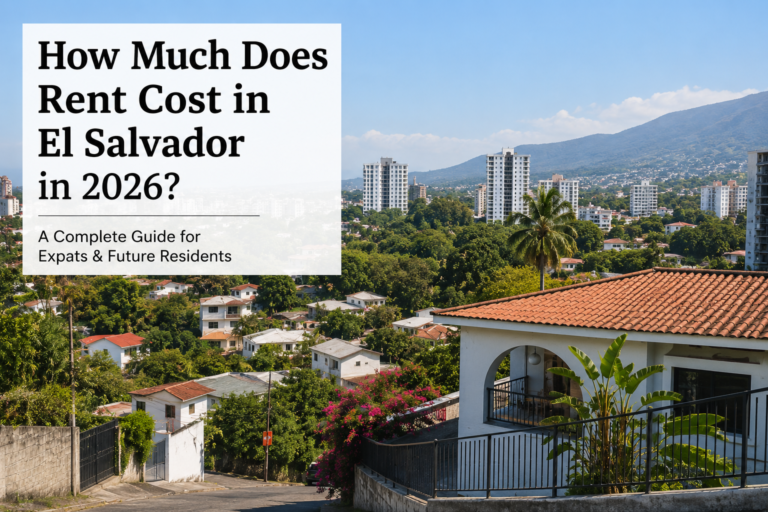
Housing Costs
Housing is typically the largest monthly expense.
Average monthly rental costs:
| Property Type | Monthly Rent |
|---|---|
| Room Rental | $100-$250 |
| Small Apartment | $250-$500 |
| Family Home | $400-$800 |
| Modern City Apartment | $700-$1,500+ |
| Beachfront Property | $800-$2,500+ |
Rental prices tend to be highest in:
- San Salvador
- Antiguo Cuscatlán
- Santa Elena
- Beach communities popular with expats
Cost of Living by Region
San Salvador
The capital city offers the largest selection of shopping centers, restaurants, healthcare facilities, and employment opportunities.
It is generally the most expensive area in the country.
Beach Communities
Areas such as:
- El Tunco
- El Zonte
- Surf City
have become increasingly popular with tourists, surfers, and remote workers.
Housing costs are often higher due to demand.
Smaller Cities
Cities such as:
- Santa Ana
- San Miguel
- Sonsonate
often provide a balance between affordability and access to services.
Rural Areas
Many rural communities offer some of the lowest housing costs in El Salvador.
However, access to certain amenities and services may be more limited depending on location.
Utility Costs
Monthly utility costs vary based on air conditioning use and household size.
Typical monthly expenses include:
| Utility | Monthly Cost |
|---|---|
| Electricity | $30-$150+ |
| Water | $5-$25 |
| Internet | $25-$60 |
| Mobile Phone | $10-$30 |
Homes using air conditioning regularly may experience substantially higher electricity bills.
Grocery Costs
Food costs can be very affordable when purchasing local products.
Examples include:
| Item | Typical Cost |
|---|---|
| Pupusa | $0.50-$1.50 |
| Local Lunch | $3-$6 |
| Restaurant Dinner | $8-$20+ |
| Domestic Beer | $1-$3 |
| Dozen Eggs | $2-$4 |
Typical monthly grocery budgets:
- Single person: $100-$250
- Couple: $250-$450
- Family of four: $400-$700
Transportation Costs
Transportation options include:
- Public buses
- Ride-share services
- Taxis
- Personal vehicles
Estimated monthly transportation costs:
| Transportation | Monthly Cost |
|---|---|
| Public Transportation | $20-$50 |
| Fuel | $50-$200+ |
| Vehicle Maintenance | Varies |
| Insurance | Varies |
Healthcare Costs
Many visitors are surprised by the affordability of healthcare in El Salvador.
Private healthcare services often cost substantially less than comparable services in the United States.
Many expats choose private healthcare while maintaining insurance coverage.
Internet and Mobile Service
Reliable internet is available throughout most cities and many rural communities.
Typical monthly internet plans:
| Service | Monthly Cost |
|---|---|
| Home Internet | $25-$60 |
| Mobile Service | $10-$30 |
Internet quality varies by location, so research providers before relocating.
Education Costs
Families moving to El Salvador should also consider education expenses.
Options include:
- Public schools
- Private schools
- International schools
International schools generally charge the highest tuition but often provide bilingual education and internationally recognized curricula.
Frequently Asked Questions
Is El Salvador cheaper than the United States?
In most cases, yes. Housing, food, transportation, and many services are generally more affordable than in many parts of the United States.
What is the biggest monthly expense?
For most residents, housing is the largest monthly expense.
Can a family live comfortably in El Salvador?
Many families find they can live comfortably on significantly less than they would spend in the United States, particularly outside premium neighborhoods.
Is healthcare affordable?
Private healthcare is often considerably less expensive than comparable services in the United States.
Final Thoughts
El Salvador remains one of the most affordable countries in Central America for expats, retirees, remote workers, and long-term visitors.
Whether you’re considering retirement, relocation, or an extended stay, understanding housing, utilities, transportation, healthcare, and food costs can help you create a realistic budget and avoid surprises.
For many people, El Salvador offers an opportunity to enjoy a comfortable lifestyle while spending significantly less than they would in larger U.S. cities.